Welcome to the Yang Laboratory
The Yang Laboratory is dedicated to understanding the epigenetic mechanisms that drive endometrial cancer progression, therapeutic resistance, and tumor-immune interactions.
Our goal is to translate discoveries in cancer biology into improved therapies and precision medicine approaches for women with gynecologic cancers.
Using patient-derived models, genomic technologies, and translational research, we investigate how chromatin regulators control gene expression, influence treatment response, and shape communication between cancer cells and the tumor microenvironment.
Our research spans basic molecular mechanisms to clinically relevant therapeutic strategies, with a particular focus on endometrial cancer.
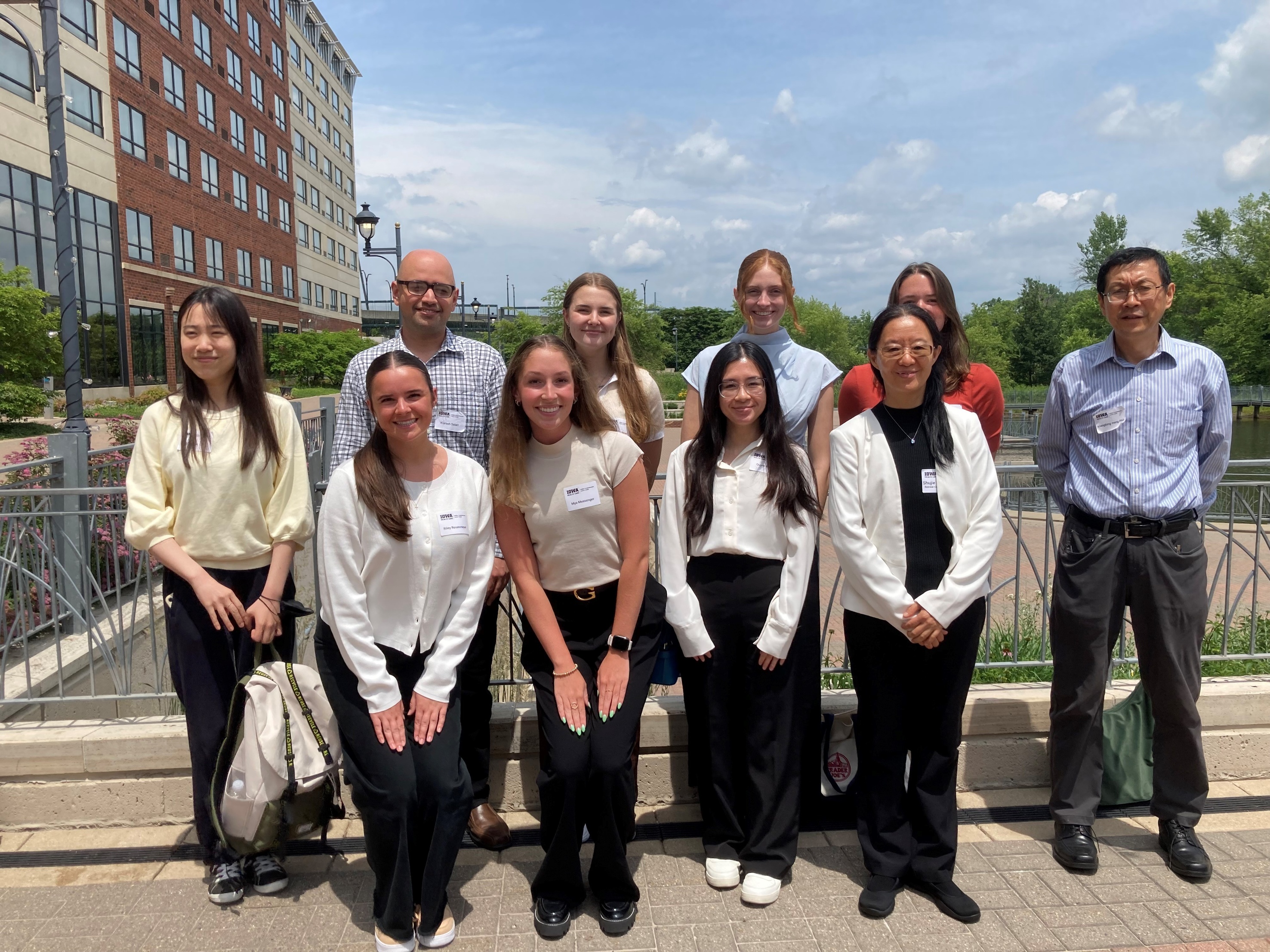

Shujie Yang, PhD
Education/Training Program Affiliations
Center, Program and Institute Affiliations
Laboratory Contact Information
Phone: 319-335-7579
Address: 5234 Medical Education Research Facility (MERF)
Selected Publications
Recent News
Featured Publication: SETDB1's Dual Role: Driving Tumor Progression and Immune Escape
Featured Publication: Integrated Patient-Derived Xenograft and Patient-Derived Cell Models Reveal Therapeutic Vulnerabilities Beyond Standard-of-Care Therapy in Endometrial Cancer
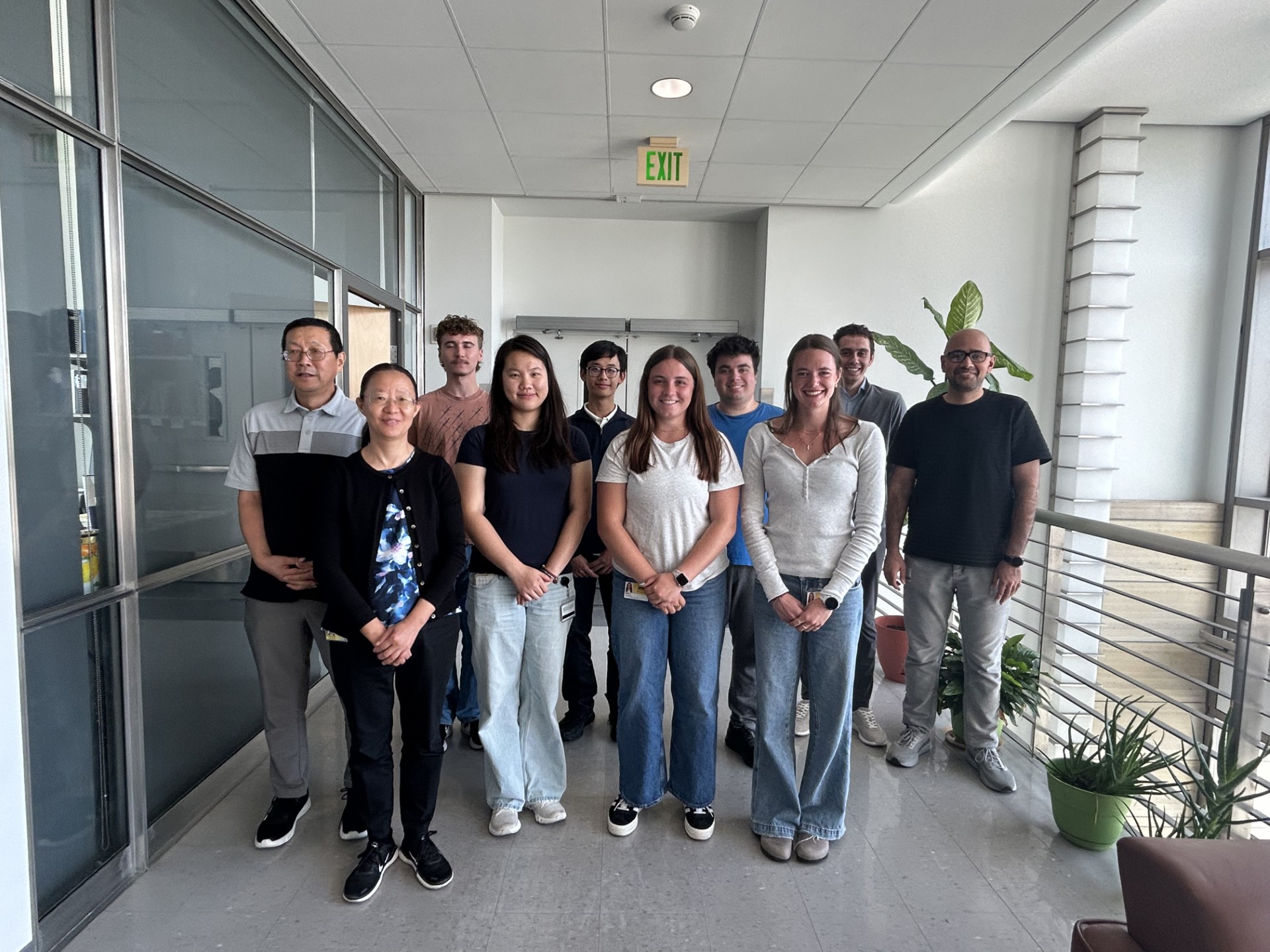
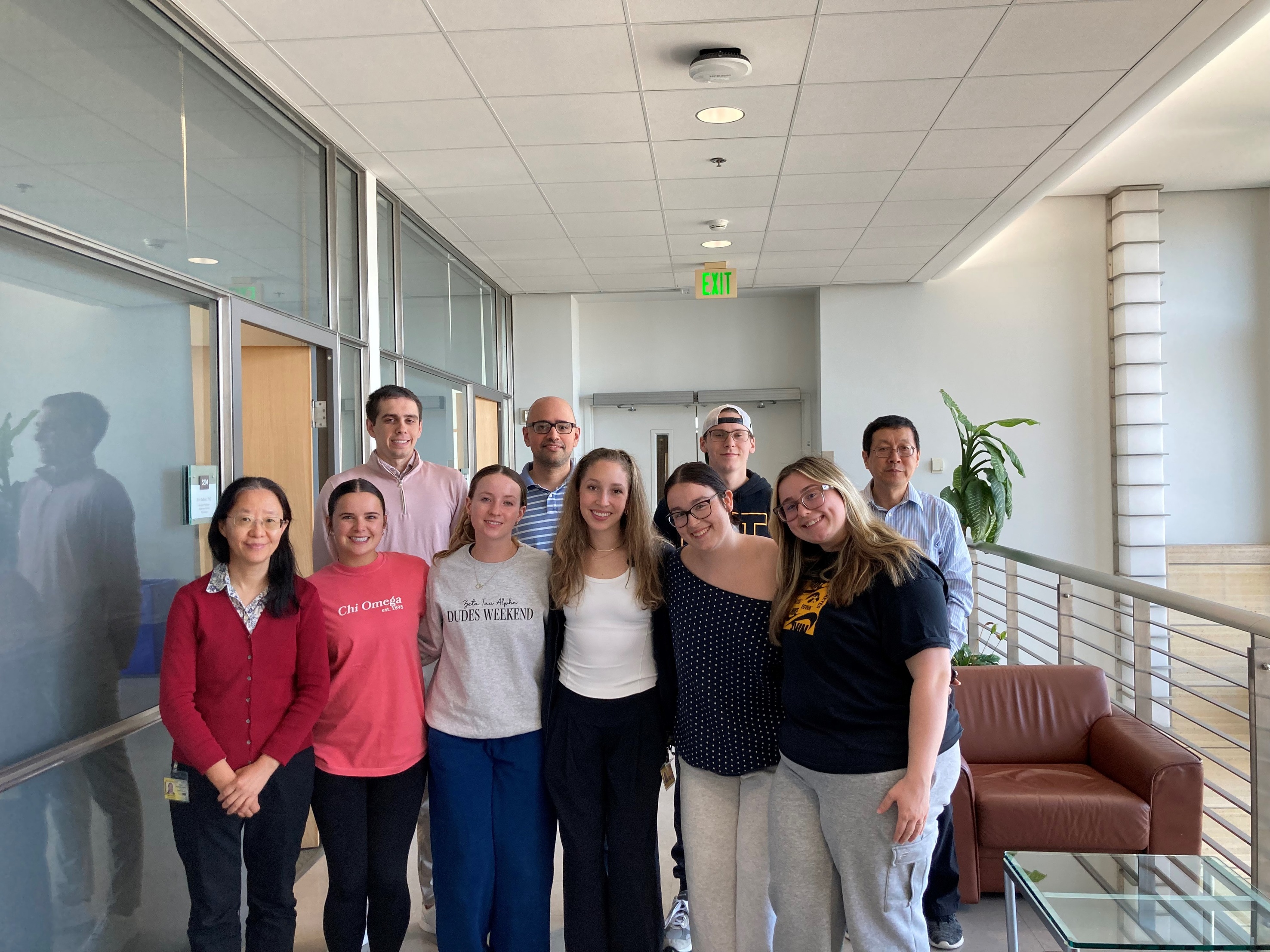
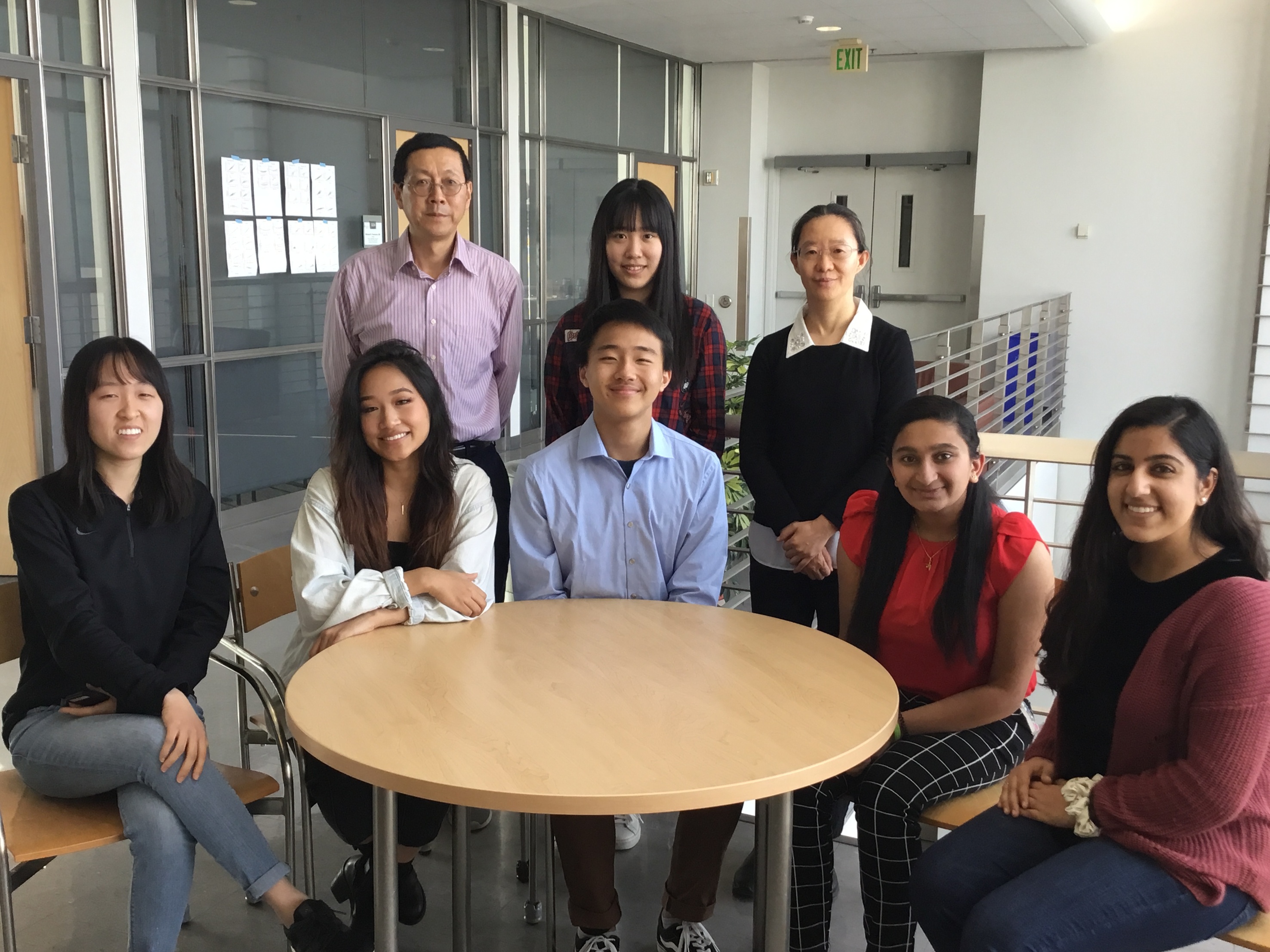
Photos Throughout The Years